
Unlocking Duolingo’s Next Frontier with User-Generated Courses
How community-built content can accelerate language learning, music, and chess while driving engagement and growth

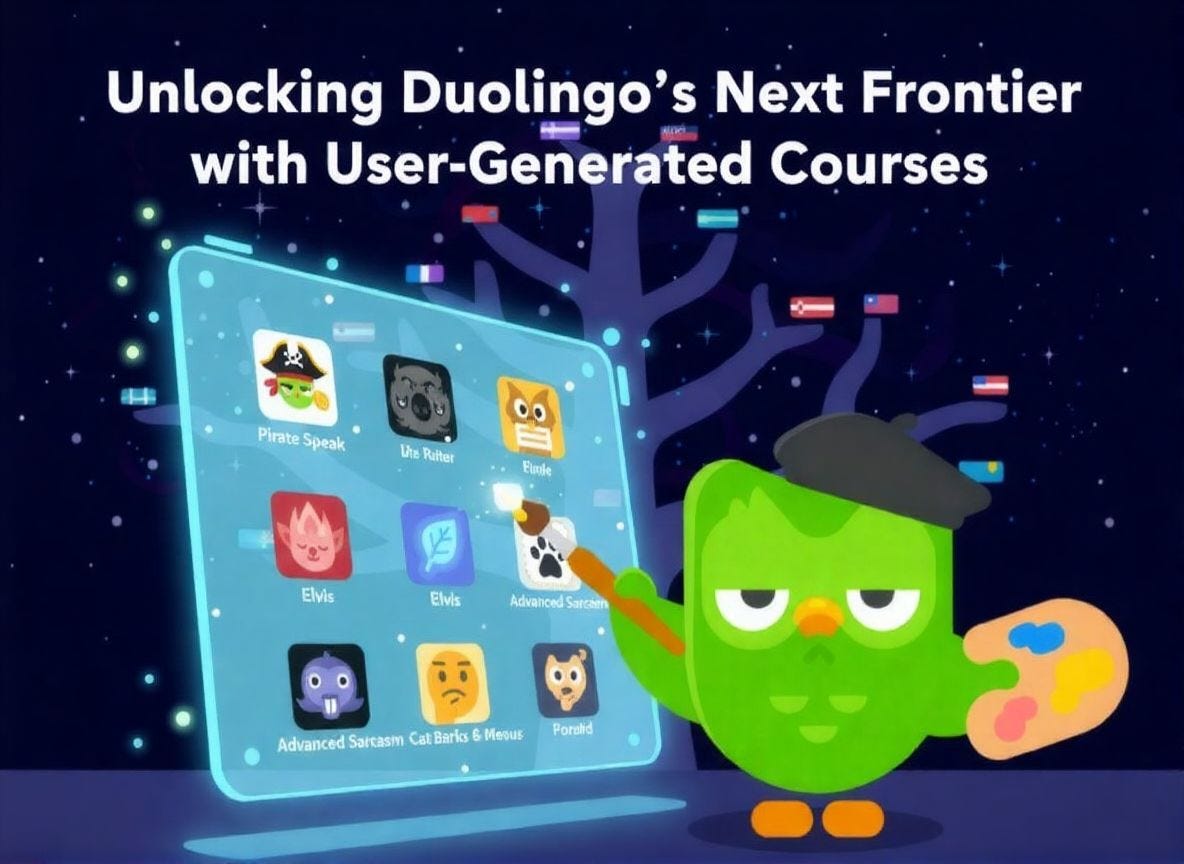
Duolingo has changed how millions of people learn languages. Its bite-sized lessons and gamified streaks are already a proven formula - but the platform can only move as fast as its internal teams. Meanwhile, learners crave more: niche dialects, cultural modules, local idioms, or supplemental practice packs that the company can’t realistically build at scale.
The solution? User-generated content (UGC).
What UGC Can Unlock
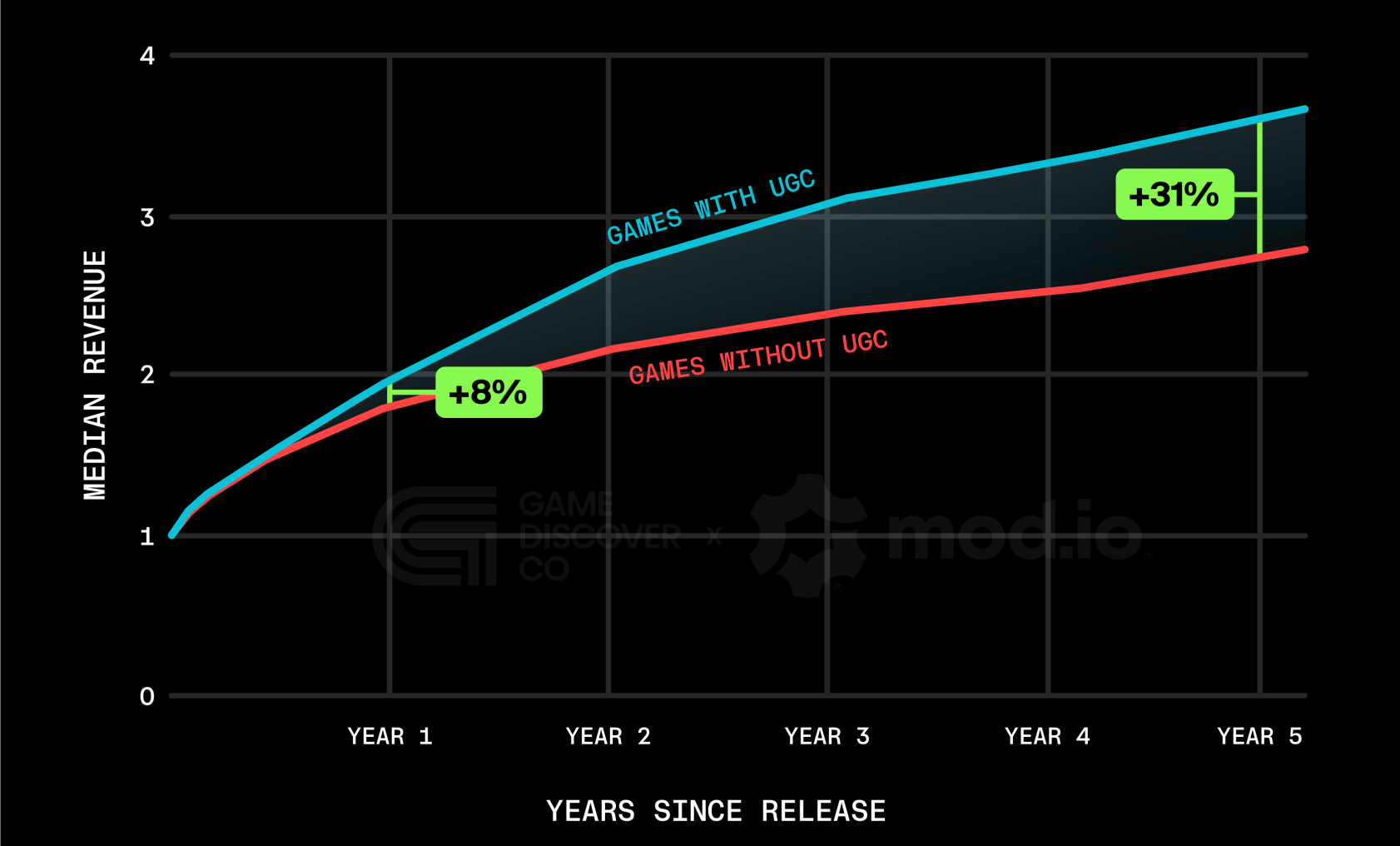
In the gaming world, UGC is no longer a nice-to-have; it’s a proven growth strategy. A new UGC Impact Study (2025) by mod.io and GameDiscoverCo analyzed hundreds of games and found that those supporting UGC significantly outperformed their peers. After one year, UGC-friendly games earned an 8% revenue lift, growing to 31% over five years. They also enjoyed better retention and stronger community loyalty.
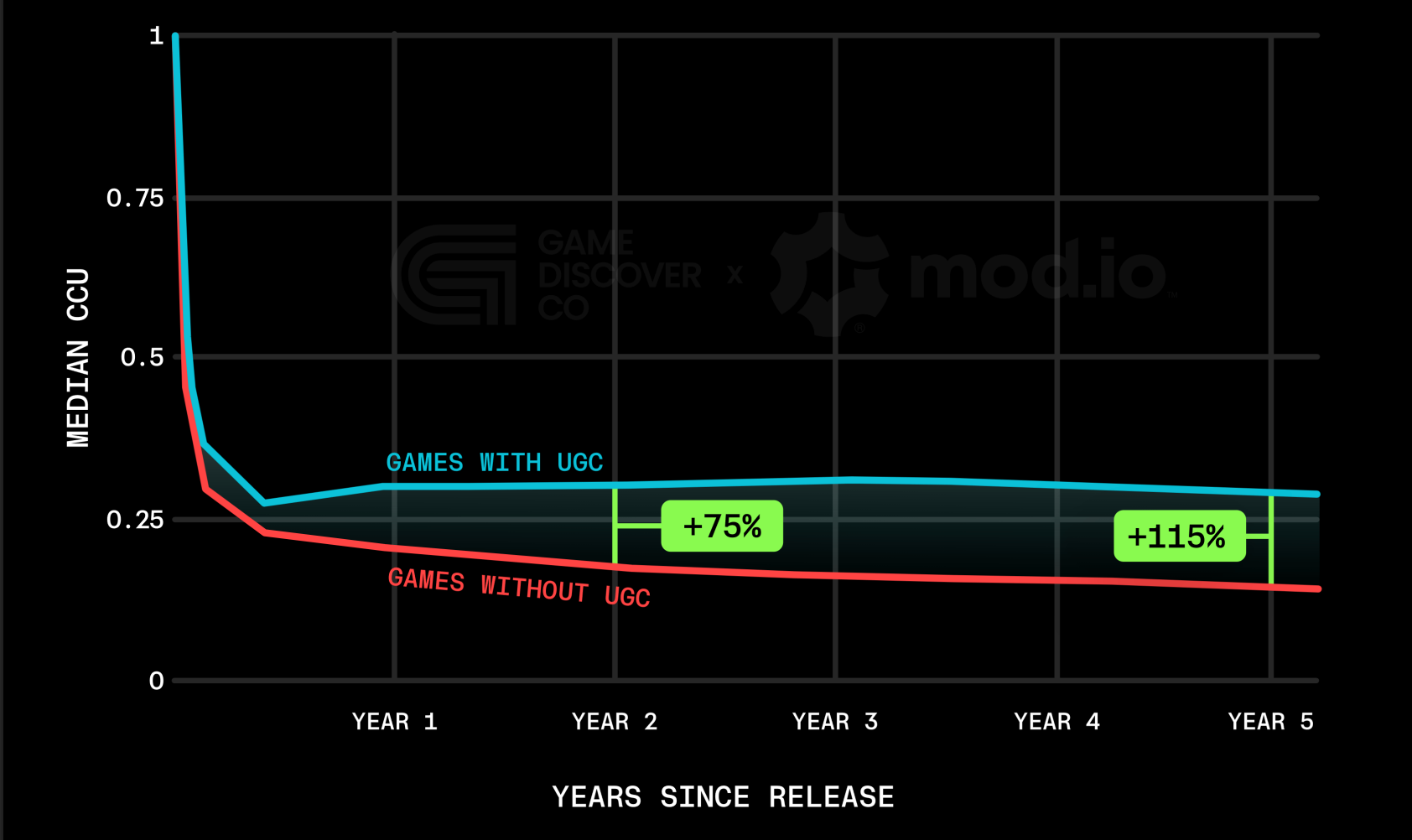
The logic is simple: when players can create, share, and personalize content, the game stays fresh. And what’s true for games is just as true for education apps.
The Next Frontier for Duolingo
Right now, Duolingo’s course library is broad but finite. Want to learn a local dialect? Specialised business vocabulary? Cultural idioms? You may not find it. By opening the door to community-built courses, Duolingo could:
Expand coverage into hundreds of niche languages and specializations at zero marginal cost.
Boost retention, since new content would continually refresh the platform.
Foster community ownership, turning learners into contributors and advocates.
Unlock monetisation opportunities through premium community packs, certifications, or creator revenue-sharing.
Beyond Languages: Duolingo’s Bigger Play
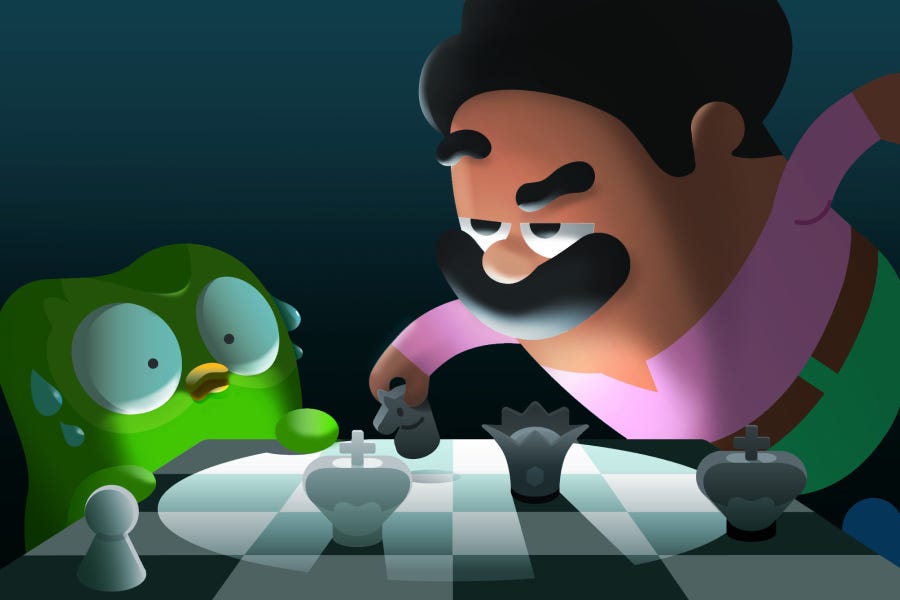
Duolingo is already signalling bigger ambitions. The recent acquisition of Nextbeat, a music-gaming company, alongside moves into chess, shows the company doesn’t want to stop at languages. It’s a great strategy, but it comes with a bottleneck: progress is limited to how fast internal teams can design new courses.
Opening the door to community-built content would remove that ceiling. Just as UGC keeps games alive with endless mods and expansions, it could let Duolingo learners create not just niche language packs but music drills, chess puzzles, and beyond. The platform could become more than a classroom - it could become a creative ecosystem.
Making It Work
Quality and brand trust are critical, which is why Duolingo might hesitate to open course creation to the community. The concern is real: giving up control risks inconsistent lessons, errors, or off-brand content. But there’s a middle ground. With structured creator tools, clear guidelines, and moderation pipelines, the community could replicate - or even improve on - official content without sacrificing quality.
Gaming provides a clear example. In Halo Infinite, developers keep official content separate from the community tab, but highlight the best community creations in official matchmaking - and give credit to the creators. Duolingo could adopt a similar approach:
Keep official courses distinct so learners know what’s “official.”
Showcase standout community content with badges, features, or revenue-sharing.
Use peer ratings and reviews to surface the best contributions.
Start small with elective modules - vocab packs, cultural notes - before expanding to full courses.
Opening up UGC does come with challenges - quality control, moderation, brand consistency - but if any education platform is positioned to manage these at scale, it’s Duolingo. The company already balances global reach with playful rigour, and gaming shows how to blend official and community content successfully.
Why Now?

Duolingo has always thrived because of its passionate community of learners. Giving that community the tools to create wouldn’t just add more courses - it would turn Duolingo into a place where learners actually build content themselves. In gaming, we’ve seen this model work: UGC drives engagement, keeps things fresh, and even creates new revenue opportunities.
Duolingo is already exploring music and chess, but progress depends on how fast internal teams can ship. UGC could speed things up, letting learners contribute drills, puzzles, and lessons that go way beyond what the company could create on its own.
What do you think - could UGC be the next frontier for Duolingo?